
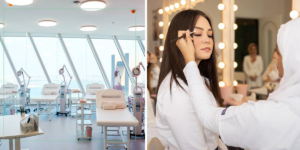
Skin care is a vital part of maintaining both the health and appearance of our skin. As the demand for skin care professionals continues to rise, many individuals are seeking to enter the field by enrolling in skin care training programs. These programs provide the knowledge, techniques, and hands-on experience necessary to become a certified skin care specialist or esthetician.
In this guide, we will explore the importance of skin care training, what to expect from skin care courses, and how to become a licensed skin care professional.
The Importance of Skin Care Training
Expertise in Skin Health and Treatments
Skin care training equips individuals with the expertise to understand the complexities of skin health and provide appropriate treatments. From acne to aging skin, a trained esthetician can analyze different skin types, identify conditions, and recommend tailored treatments. Professional training helps you learn how to use advanced products, tools, and techniques to address a variety of skin care concerns.
Personalized Client Care
Training in skin care goes beyond basic techniques; it emphasizes the importance of personalized care for each client. Professional skin care providers must understand how to assess each client’s skin type, lifestyle, and needs to develop a customized treatment plan. This personalized approach enhances the effectiveness of treatments and ensures client satisfaction.
Up-to-Date with Industry Trends
The beauty and skin care industry is constantly evolving with new techniques, technologies, and products. Skin care training programs ensure that professionals stay up to date with the latest trends, products, and industry standards. As new treatments such as LED light therapy, microdermabrasion, and chemical peels become more popular, having up-to-date training ensures you can offer these services to your clients.
Steps to Becoming a Skin Care Professional
Step 1: Enroll in a Skin Care Training Program
The first step in becoming a skin care professional is to enroll in an accredited skin care training program. These programs are offered at beauty schools, vocational institutes, and some community colleges. A quality skin care program should offer both theoretical instruction and practical, hands-on training.
What You Will Learn:
- Skin Anatomy and Physiology: Understanding the structure of the skin, how it functions, and common skin disorders.
- Skin Conditions and Treatment Methods: Learning about conditions such as acne, rosacea, eczema, and aging skin, and how to treat them.
- Facials and Exfoliation: Techniques for performing facial treatments, including cleansing, exfoliating, and moisturizing the skin.
- Chemical Peels and Masks: Learning about chemical exfoliants and masks used to treat various skin issues.
- Hair Removal Techniques: Techniques such as waxing, tweezing, and threading for facial and body hair removal.
- Safety and Sanitation: Adhering to strict safety, hygiene, and sanitation protocols to ensure a safe and clean working environment for clients.
Step 2: Complete the Required Hours
Skin care training programs generally require students to complete a set number of hours of both classroom instruction and hands-on practice. In the United States, most states require estheticians to complete around 600 to 1,500 hours of training, depending on state regulations. During this time, you will practice skin care treatments on live models under the supervision of a licensed instructor.
Step 3: Obtain State Licensure
After completing the necessary training hours, you must pass a state licensure exam to become a certified skin care professional. The exam typically includes both written and practical components. The written exam tests your knowledge of skin anatomy, treatments, and safety protocols, while the practical exam assesses your ability to perform various skin care procedures. After passing the exam, you will be awarded your esthetician license, which allows you to legally perform skin care services.
Step 4: Pursue Continuing Education
After obtaining your license, continuing education is key to staying current in the ever-evolving field of skin care. Many states require estheticians to complete continuing education courses to maintain their license. Additionally, many skin care professionals choose to attend workshops, conferences, and online courses to learn new techniques, expand their service offerings, and stay informed about the latest products and technology.
What to Expect from Skin Care Training Programs
Curriculum Overview
Skin care training programs provide a well-rounded education, combining theoretical knowledge with hands-on experience. Students typically cover a range of topics, including:
- Basic Skin Care and Treatments: Cleansing, moisturizing, toning, and other essential skin care procedures.
- Advanced Treatments: Microdermabrasion, chemical peels, LED light therapy, and other non-invasive skin treatments.
- Facial Techniques: Learning the techniques for performing different types of facials based on skin types and conditions.
- Product Knowledge: Understanding different types of skin care products, ingredients, and their effects on various skin types.
- Client Interaction: Developing customer service skills, consultation practices, and effective communication.
Practical Experience
Hands-on practice is one of the most important parts of any skin care training program. During this phase, students work on real clients under the supervision of experienced instructors. This practical experience ensures that students can apply the techniques learned in the classroom to actual skin care treatments.
Learning Skin Analysis
One of the key aspects of professional skin care is the ability to analyze and assess different skin types. Skin care training programs teach you how to examine a client’s skin to determine their needs and recommend the best treatments. This analysis includes understanding factors like skin texture, elasticity, tone, and any existing conditions such as acne or pigmentation.
Tools and Technology
Modern skin care training programs often include exposure to the latest tools and technologies in the field. Some programs offer training in advanced equipment such as ultrasound therapy, laser skin treatments, and electrical facial devices. Being familiar with these tools enhances your ability to offer a wide range of services to your clients.
Benefits of Skin Care Training
Career Opportunities
A licensed skin care professional has a wide range of career opportunities available. Estheticians can work in spas, salons, dermatology clinics, and even medical offices. Many also choose to become independent entrepreneurs and open their own skin care practices.
Personal and Professional Growth
Skin care training offers personal satisfaction by improving the confidence of clients through enhanced skin health. For the professional, it provides a rewarding career with opportunities for growth and specialization. Many estheticians further their education by becoming certified in specialized areas such as massage therapy, medical esthetics, or makeup artistry.
Building a Clientele
With the skills learned during skin care training, you will be able to build a loyal client base. Providing high-quality, personalized treatments will help you stand out in the competitive beauty industry and establish a solid reputation.
Top Skin Care Training Programs
The Aveda Institute
The Aveda Institute offers accredited skin care training programs that combine hands-on learning with a focus on holistic and eco-friendly beauty practices. With campuses across the United States, Aveda prepares students for licensure and offers ongoing education opportunities.
Dermalogica Academy
The Dermalogica Academy offers a globally recognized skin care program that includes training in advanced facial treatments, ingredient knowledge, and professional skills. The academy is known for its high-quality products and hands-on approach.
The Beauty Schools of America
The Beauty Schools of America offers a comprehensive esthetics program that covers skin care, hair removal, makeup artistry, and more. This program is designed to equip students with all the tools they need to succeed in the skin care industry.
Conclusion
Skin care training is an essential first step for anyone seeking to become a licensed and skilled skin care professional. By enrolling in an accredited program, students will gain the knowledge, practical experience, and certification necessary to offer a wide range of skin care treatments. Whether you aim to work in a spa, salon, or start your own practice, skin care training provides the foundation to build a successful and fulfilling career in this growing field.